Tuesday, July 24, 2018

What If? Fatal Shark Attack On Cape Cod


Nature is inexorable. It goes where it wants, does what it pleases, and there generally isn't much you can do about it. Nothing I've ever read from either side leads me to believe that Earth likes humans that much, and the dislike she holds is a sweeping, generalized one.
Nature abhors a vacuum, and she doesn't like those resource-squandering humans getting too comfortable on Cape Cod. So, for reasons we'll never know, she steers some seals our way. The seals love Cape Cod. The water's not-too-warm, there are plenty of bass swimming around for supper, and the beaches have lots of desolate spots for them to wiggle out of the water and catch some fat rays. 99% of the locals love the seals, who look sort of like pudgy dogs and can be trained to do tricks. Seals, Cape Cod... what's not to like?
Ah, yes... the vacuum. Simple algebra. Seals like Cape Cod, sharks like seals, so Therefore...
Up until a few years ago, Cape Cod wasn't known for her sharks. Just about every show on Shark Week is based in 3 or 4 places: Australia, Florida, California, and South Africa. Cape Cod was never a player in this field. Sure, we have Monster Shark tournaments, but you have to go offshore to get those. Prior to 2008 or so, the most dangerous Great White you'd see in New England was that cheesy rock band with the bitchin' pyrotechnics.
Although Cape Cod never made this list of the 10 Most Dangerous Shark Beaches, they do mention "us" in the first sentence of the article. That's because a 1970s book/movie decided to base itself in a village named Amity that, when they ended up filming it, looked a lot like Martha's Vineyard. Never you mind that the book's Amity was actually off Long Island, and that the book was inspired by a series of shark attacks in 1916 New Jersey.
Even balancing the Jaws fantasy against a popular and informative Shark Week series would leave the impression that a big shark operating just offshore in New England would be a rare thing, and that- if it did show up here- we'd hunt it down, kill it, and eat it. We're the land of Quint, Brody, Captain Ahab, and the Gorton's Motherf***ing Fisherman. Problem solved.
In reality, the Great Whites are here. They're literally right offshore. They can and will f*ck you up mightily, even with an exploratory bite. There are probably several just offshore at this moment who are almost the size of the Jaws shark. However, we're not doing anything about it. Quint just stares at his phone in real life Amity, and it's illegal to hunt for a Great White even if someone tries to hire him.
Chatham is our main shark beach, although seals come ashore all over the Massachusetts coast. The great majority of our Great White Shark sightings come off of Monomoy, where most of the seals hang out. It's all good, and all natural.
Unfortunately, that all natural event happens in an area where hundreds of thousands of tourists come from all around to use the beaches. Eventually, someone who looks like a seal in poor light is going to swim by the wrong Great White Shark.
What happens then?
Make no mistake... Chatham will close the beaches. They close them now, if a shark is even seen offshore. Things are different than in an Amity where you can bully the police chief, and where the town coroner may also own a seasonal business. The newspapers won't call it a boating accident. We'll actually be quite rabid about reporting it. It would be the hottest Cape story since Hurricane Bob came ashore, and would most likely surpass it.
How long Chatham keeps the beaches closed is up to debate. I spent a fine summer afternoon Googling shark attacks and beach closures. San Diego County is a lot like Massachusetts insofar as being an area that seals (and their great white friends) have recently started hanging around at. After a triathlete was munched by a porker, beaches in the immediate area were closed for 3 days. Beaches beyond that were open, but banned swimming. A bit beyond that, they would just have lifeguards do a face-to-face warning with anyone they saw entering the water.
A similar event and result went down in Central California after another fatal attack.... 72 hours of beach closings. Hawaii, Florida, South Carolina, New Jersey, and Virginia... ditto.
Translate that to a guy getting chowed off Chatham. Chatham, Harwich, Eastham and Orleans immediately close the beaches.  Hyannis and Yarmouth open the beaches, but allow no swimming. West of that, you can enter at your own risk. North facing beaches may not even ask people to leave the water when the Chatham attack hits the radios.
Beach closings are nothing new. We do it for Piping Plovers, Red Tide, Lightning, and Riptides. People die swimming a lot here, although those are usually more of the Drowning variety than a seized-by-a-leviathan type. I sort of keep getting back to "72 hours is just about enough time for him to get hungry again" when I think about it.


Our last fatal shark attack was in 1936. A boy swimming off Holly Woods Beach (it's also known as Hollywood Beach, and it's that little number one in the lower left hand corner) in Mattapoisett was grabbed by the leg and pulled under by a 6-10 foot shark. It ripped a 5 pound chunk of meat out of his leg, and the boy died during an amputation in a New Bedford hospital. Colorings of the shark reported by witnesses spoke of a smaller Great White.
Beaches on either shore of Buzzards Bay emptied, although I don't know if they were closed. Many articles pointed out that swimming ceased to exist as a recreational activity after this attack. However, time passed, no new attacks went down, and most people forgot about it.
We don't get a lot of fatal shark attacks in Massachusetts. Before the Hollywood attack, our last fatal one near shore (I'm sure a lot of shipwrecked sailors ended up in the belly of the beast, but offshore doesn't count!) was off Scituate in 1830. A Great White jumped into a dory and sank it, devouring the poor fisherman who was rowing it in the process. Prior to that, we had a 1720s attack, where a man was knocked from his boat and devoured by a shark in Boston Harbor.
Swimming was not as big a recreational activity back then, so the chances of a human getting snapped up in Massachusetts surf was very slim before this century, and is still very slim now.
Interest in sharks was high after the 1936 attack, and many were spotted off Chatham and the Islands. They were here then, albeit in smaller numbers. The sharks are also here all year- a 15 foot Great White was caught 5 miles off Duxbury in February, 1938. They are just here in greater numbers now, and they are also here during the present height of the information age.
A fatal shark attack off Chatham today would be a catastrophe. Instead of a boy being snatched off an obscure backwater beach and ending up in a few local papers, imagine a woman devoured 50 yards offshore by a Leviathan while hundreds of people upload the carnage onto YouTube. Imagine it going Viral. Picture every network leading off with the story. Envision the "where shall we go this summer vacation" discussions afterwards.
We'd be Shark City. Tourism would collapse. Once you chop "Swimming" off the to-do list while visiting Cape Cod in the summer, the appeal of "clam shacks" and "mini golf" would be greatly diminished. Like Quint said, we'd be on welfare all winter.
There would be some benefits. Shark tourism is nothing to sneeze at. A munching in our waters would sell a lot of t-shirts, send out a lot of charter boats (I should add here that fishing for Great White Sharks was made illegal in 1997), and would get Woods Hole a lot of research grant money. Swimming pool installers would be able to pretty much name their price. These gains would be small when compared to the losses we'd suffer in tourism and real estate values, however.
I actually want to lure one into Buttermilk Bay, trap him there, and then set up a tourist industry by starving him to the point where he'll swim up and do the Funky Chicken for my tourist boat when I drive out on the water and throw some dead seagulls overboard. This may be illegal, and it definitely is illogical... but I have the basic plan in my head if the opportunity ever offers itself. Lemons/lemonade, as my Mother was fond of saying.
I think that property tax assesments would be slow to drop after a fatal shark attack, while real estate prices would plummet. You may be able to rent the Kennedy Compound for $500 a week in August. We would also be easy pickings for rival, nearby tourism spots. "Come To The New Hampshire Lakes: You Stand Very Little Chance Of Being Devoured By A Monster Shark Here!" It's catchy, although it might be tough to work a jingle around it.
Either way, the Bite would be felt by hotels, cottage renters, restaurants, gas stations, grocery stores, fishermen, and anyone else who needs those summer dollars. In one bite, we could be transformed from a happening summer resort to a sleepy backwater set of welfare villages.
There's not much that we can do about it, aside from slaughtering the seals and hiring Quint. It's frightening... because, aside from a monster hurricane or a meltdown at the Pilgrim Nuclear Power Plant in Plymouth, I can't imagine a more disastrous nightmare scenario for Cape Cod's economy than a YouTube video of a fatal Chatham shark attack.


Monday, July 23, 2018

River Sharks In Massachusetts


Sharks are an accepted hazard of Massachusetts coastal life. Living or vacationing at the beach is awesome, but you could get stuck in 10 miles of bumper-to-bumper tourist traffic, you could get flooded by a hurricane and you could get eaten by a shark.

There are degrees of probability attached to each event- a Cape Codder is more likely to sit on Route 25 for an hour than to get the Jonah/whale treatment from a local leviathan- but the risk is there, and you have to balance risks and benefits before making a decision to go to such a place. It's why people tend to not vacation in Chernobyl.

People who live away from Cape Cod can scoff at some of those coastal risks. You have almost no chance of an ocean wave breaking on your house if you live in Bridgewater, other than Ye-Have-Offended-A-Wrathful-God types of events. Beach erosion doesn't come up much in Mansfield town meetings. Cape traffic doesn't really touch Halifax... although I'd bet it does if you overanalyze a bit.

One thing you should pretty much be able to count on is that you should stand very little chance of being attacked by a shark in, say, Rockland... at least once you eliminate fantasy stuff like the Chevy Chase-style land sharks or a Sharknado moving inland.


Jones River, Kingston MA
Sharks, for the most part, require salt water to live. They are designed for salty living, they have difficulty balancing without salt and will die very quickly if they are removed from salt water.

Not everyone knows that- the first time that I beat on a hotel door with my fist involved someone from Nebraska who didnt know that coastal people don't use salt water in their pipes and therefore fish caught in Cape Cod Bay can't be kept alive by filling the bathtub with tap water- but it is taken for granted by a percentage of the general population that is steady in the upper 90s.

People who study sharks, both professionally and as a hobby, know that there are several types of river sharks (mostly in Australia and India), and that Bull Sharks can go up rivers with ease. Bull Sharks are perfectly comfortable in fresh water, and that's sort of where we're headed today.


Mattapoisett River, Mattapoisett MA
Massachusetts has had four fatal shark attacks (off Boston, Scituate, Mattapoisett and Wellfleet ) since the White Bread showed up in 1620. Native Americans no doubt had attacks as well, but those attacks went down in a manner that Google never recorded. None of the Massachusetts attacks went down in a river, and two of them were quite some distance from shore.

Other than a Great White Shark getting stuck in coastal lagoon a few years ago, inland sharks are almost unheard of in Massachusetts. It does happen, though.

What is believed to be a Basking Shark was spotted miles up the Taunton River in Dighton, a noticeably non-coastal town.  A rumor exists of a Bull Shark going after a fisherman's catch in the Connecticut River, up by Holyoke.  I also saw the Housatonic River mentioned in the same discussion. A shark, probably a Great White, was spotted in the mouth of the Merrimack River once. Mouth-of-river vs. up-the-river is a distinction that we'll get to in a moment.


Bluefish River, Duxbury MA
The sharking in Dighton was painted as a Basking Shark by Dr. Gregory Skomal, and his word is better than mine. Basking Sharks are harmless to humans, unless they fall on them. The Great White Shark at the river mouth is perfectly natural and absolutely dangerous. The Bull Shark in Holyoke is the scariest story of the three.

Each of the fatal shark attacks in Massachusetts history almost certainly involved Great White Sharks, but we also have Bull Sharks. Bull Sharks are no joke. Bull Sharks can get up to a dozen feet long, weigh up to 700 pounds and have a reputation as an ornery, aggressive shark- an ex wife with gills. They are highly territorial, and Wikipedia describes them as having"virtually no tolerance for provocation." I don't know how to explain the math, but they have the highest bite force of any shark. Bull Sharks are very bad things to be swimming near.

Bull Sharks have been spotted in the Mississippi River as far north as Illinois, and up the Ohio River as far as, well, Ohio. They have been spotted in Lake Pontchartrain in Louisiana, which is brackish. They have been in the same Potomac River that George Washington once threw a dollar over. Iran has a dozen fatal river shark attacks.

Massachusetts is the far northern range of the Bull Shark. They bear their young in fresh water, where other sharks can't enter. They prefer warm, shallow, murky water. Massachusetts has that, at least in the summer.

If your town has a river that holds 3-5 feet of water and connects to the ocean, you could easily have a Bull Shark.

South River, Scituate MA
This is a scary scenario, and perhaps now is the time to introduce Numbers into the discussion. No one has ever been bitten by a Bull Shark in a Massachusetts river in recorded history. My tireless (OK, 2 page) Google searching yielded one or two non-verified river sightings of a Bull Shark in Massachusetts.

A shark attack itself is rare in Massachusetts. If you exclude fishermen, you have 4 fatal attacks and a half dozen or so non-lethal interactions over 400 years. Rhode Island, Connecticut and New York have one shark fatality each, with NY's attack being old enough that it happened to a Dutch guy (who perished when "the Devil appeared in the form of a fish" as he swam across the East River), perhaps a victim of a Bull Shark.

Keep in mind that 20-50 people win the Megabucks lottery annually, and the exponential stuff year to year sort of dwarves shark attacks very quickly. You are thousands of times more likely to win the Lottery, get hit by lightning, bed a Spice Girl, hit a hole-in-one or have a fight with Mike Tyson. More people have been removed from Donald Trump's inner circle since May than have been killed by sharks in Massachusetts in 400 years.

As bad as the odds are on being attacked by  a shark in Massachusetts, the odds against a river shark attack are even worse. None have ever happened here, putting it in the same statistical company as Yeti who have hosted the Late Show, tidal waves in Nebraska, asteroid impacts during the State Of The Union address and frogs who prefer Asian prostitutes.

What I believe is Maraspin Creek, Barnstable MA
That said, there is nothing to stop a Bull Shark from swimming into a Massachusetts river and picking off a bather. It would be a perfectly natural thing.

The Jersey Shore shark attacks of 1916 which inspired the movie Jaws were perhaps partially the work of a Bull Shark, who struck two of the victims in a tidal river well inland. Five Americans were killed by Bull Sharks since 2001.

As far as "deep up a river" goes, the Bull Shark is the sole threat. There are some other concerns, however.

I'm going to leave the "if a Basking Shark can get 20 miles up the Taunton River, could a Great White Shark do so as well?" questions to Dr. Skomal, who is more schooled in these matters than I am. I think that salt-water sharks can enter estuaries during very high tides where the esturay gets extra salinity, but I also started in writing as a sports-betting columnist. I'll leave the answer as between "No" and "a GWS would actually be more likely to chase fish up a river than a plankton-eating Basking Shark."


Cut River, Green Harbor

The Jones River in Kingston, along with Duxbury Bay and Plymouth Bay, are nursing grounds for young Sand Tiger Sharks. Sand Tiger Sharks can reach 10 feet long, and have a mouthful of teeth that you don't want closing on you. 
I'm pretty sure that, once they start getting mature-sized, they swim off to other feeding grounds. They are considered to be docile, and have never bitten a non-fisherman in Massachusetts waters. 

They are noted bait-stealers, and have bitten scored several bites on fishermen and bathers in other states.

Still, they love river mouths, and there was and perhaps still is a STS research facility on the Jones River which catches and releases sharks in the Jones River area.

If you dangle your legs off the boat and a STS bites your foot, it will probably be of little comfort to you that this sort of attack is beyond rare in Massachusetts waters. Please note that this is a far-flung scenario which has yet to occur in the Bay State.

Acushnet River, Fairhaven and New Bedford MA
Massachusetts has several rivers that touch the ocean, and even if a shark can't swim up the river, they love to hang out at the mouth of the river and pick off fish entering the ocean. This could be problematic for people swimming or kayaking in river mouths.

Again, no river deaths of humans have been attributed to sharks in Massachusetts, and I can't even find records of an attack going down in a Massachusetts river.

You stand almost no chance of encountering a shark in a Massachusetts river... but don't say that we didn't warn you if it does happen.


No comments:


Sunday, July 22, 2018

Surf Check: Horseneck Beach

A heavy rainstorm formed off of Carolina that, try as she might have, couldn't quite become organized into a tropical storm.


She did manage to dump some heavy rain on parts of the state, and rough surf on others.


We went to Westport to check Horseneck Beach. Westport is a good spot for when a South wind is blowing, as the Vineyard, the Elizabeth Islands and Nantucket knock the waves down from New Bedford to the Outer Cape.


Nice show, nothing too impressive... one of the downsides of arriving at low tide.


The surf check columns rarely get us to the beach on a sunny day, although we did OK in Nauset a few moons ago.


I told Teresa that I was going to the beach, and she was like "Today???"


Some people have a different definition of a good beach day.


Me? I could watch this ish all day... in fact, I often do.


...just like my man here. Seagulls at popular beaches with snack bars generally are at ease with people, who they most likely view as french fry dispensers.


I chucked this back in the water, just in case.


If you drive all the way out to Westport, you may as well go to Gooseberry Beach.


Both sides of the road we're getting surf today, which is always cool.


Massachusetts Shark Attack History


Shark attack.

It's not anything that a rational person worries about. There are some well-worn statistical trends that put it in context, the ones where you are less likely to be eaten by a shark than you are to be hit by lightning, run over by a snowplow, have a vending machine fall on you, shot mistakenly by a Crip and so forth.

There have been 1657 shark attacks in American waters. Less than 10% (144) have been fatal. I know this because I am reading the Shark Attack Database, and you aren't... OK, I'll share the link, stop hatin.'

You are more likely to be killed by Al Qaeda than you are by a shark. Adam Lanza has killed more people this century than sharks have. Humans aren't a primary or even secondary food source (we're not meaty enough, and our bones make us tough to swallow... sharks aren't built to eat us, although we pass in a pinch) for a shark, and any attack on a human is most likely a mistake.

It does happen, however. It happens right here in Massachusetts. OK, offshore a bit, but in our territorial waters. We're here today to tell you about the times when sharks killed people in our general area.

caught off Duxbury, MA, 1938
I do lack complete information on how many shark attacks there have been in Massachusetts history. I have some good excuses.

One, the Native Americans no doubt lost a few tribesman to the White Death, but their records don't end up in the Google search results a lot. The white man's time running Massachusetts is just a blip on the map when compared to the time it was owned by the Other Man, we'd be like a minute in the day on that clock.

The natives did a lot of paddling in the local waters, and I have no doubts that a few of them got a Chomping for it. I can find no records of it, however. There are records of shark attacks in Spanish New World histories, usually on pearl divers. Native Americans had pollution-free rivers teeming with fish, and didn't need to take to the seas like Europeans did... but they did get dined upon. Those numbers probably build up to impressive totals after a few thousand years.

Another reason my totals are incomplete is because, while fatal shark attacks are always big news, minor ones are not. In the CNN era, every shark attack is national news in a few hours. Back when some 1700s fisherman got maimed off the Gloucester coast, it remained an isolated event. Even if it is big news at the time, it may not enter into historical record.

The mention of fishermen also brings about the question of how far offshore a shark attack can occur and still be counted as Massachusetts. At least one that I will be counting happened several miles offshore. No, your great uncle from Worcester who was on the Indianapolis doesn't count.

A flaw in the numbers (that I'm aware of, there may be more) is that shark attacks are not always framed like Speilbreg movies. Many are simple bites, in cloudy water, at night, by a fish that is gone before you can look. It could be a shark, but it could also be a bluefish or a score of other fish. That was falsely rumored to have happened on Cape Cod and/or Dartmouth within the last few decades or so, and I don't think there ever was 100% agreement on what bit the guy.

That brings up another dark question. People go to sea and vanish now and then. Can we assume that every shipwreck victim drowned or died of hypothermia? Maybe some of them became meals. Cape Cod has had thousands of shipwrecks. 

How often do you see a case of someone disappearing in the water, someone who was said to be a strong swimmer? Sometimes they just had heart attacks while swimming, but sometimes they didn't...

Here are a few stories we can be more certain about, stories where someone local had to pay the Swimmer's Debt. As Hunter Thompson once said, "Civilization ends at the waterline. After that, we all enter the food chain, and not always right at the top."

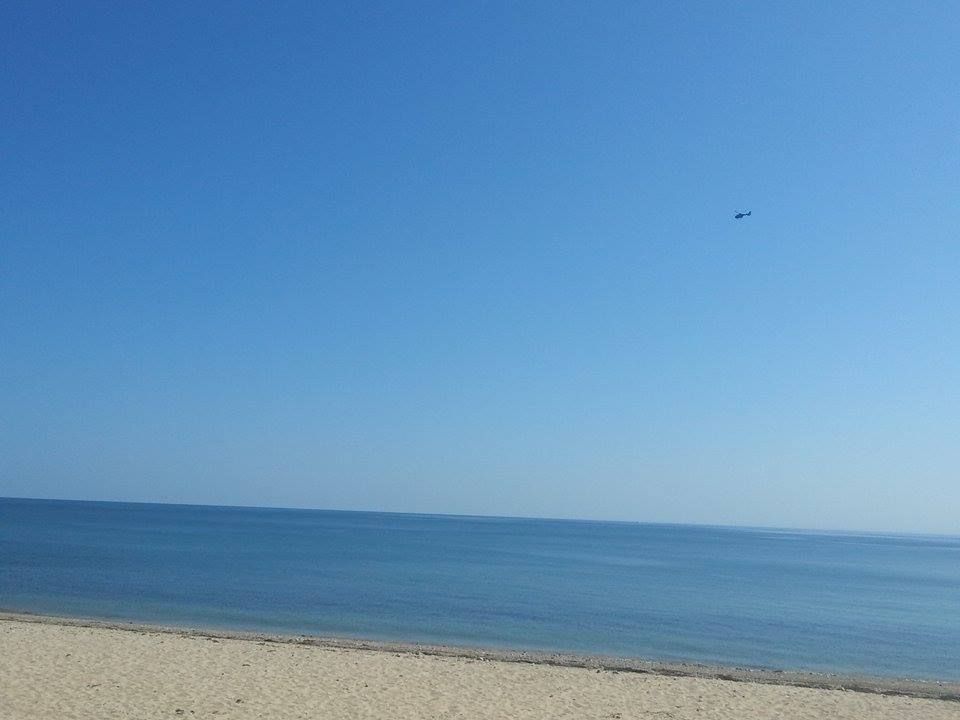
A police helicopter searches for the kayak-eating shark off Plymouth, MA

NEW YORK CITY

Yes, all shark attack histories of Massachusetts start in New York. We'll also get to New Jersey before this article is over, and maybe North Carolina.

New York and Massachusetts can be far apart culturally, especially when the baseball teams play. That means very little to a fish, however. It's merely a day's swim from Long Island to Cape Cod, and all of you people taste the same anyhow.

In 1642, while the rotten apple was still Dutch, word of an English expedition spread to Peter Stuyvesant. Peter ordered his trumpeter, Anthony Van Corlaer, to roust the sleeping villagers. He went down the bank of the East River like Paul Revere, waking the settlers. Upon reaching the northern tip of Manhattan, he decided to swim across to the Bronx.

It was a stormy night, a devilish night, and people urged him to reconsider. Ant was having none of that. He then spoke the worst sentence of his soon-to-be-over life, vowing to get to the Bronx "in spite of the Devil."

You don't get to be the Devil by letting people talk sh*t about you like that, and the Prince of Darkness, if you will pardon the pun, took the bait... the bait being Van Corlaer. Witnesses report seeing "the devil appear in the form of a giant fish," chomp down on the mouthy trumpeter, and pull him beneath the waves.

Another version of the story has Ant letting off a blast from his trumpet as the leviathan grabs him. The blast scares the fish away, but Ant succumbs to blood loss, exhaustion, hypothermia or some combination of the three.

Other versions have him drowning, but those are no fun.

The inlet is now called Spuyten Duyvil... Dutch for "Spouting Devil."

It may have been a Great White, but the river location also speaks strongly of the possibility of the perp being a Bull Shark. Bull Sharks like rivers, and can make a pretty good claim for the New Jersey attacks that inspired Jaws.

The attack is notable. It puts a firm dividing line down between Native American and European shark attack histories. Attacks in America enter into the historical record from this point.


BOSTON HARBOR

The Shattuck family is well-known in Boston, and they got really well-known in 1730 or so (the exact date is touchy, but the victim had a a kid born in February of 1731) to the point where they still get press today.

The Shattucks had a lovely young daughter, Rebecca. Her charms proved to be too much for a London businessman- Alexander Sampson- to resist. In town for a business visit, he became a resident after meeting the fetching Miss Shattuck. Marriage and children followed.... he cranked 3 kids out of her before she was 20.

Life was good until he took a pleasurable excursion by boat on Boston Harbor. He then went in Boston Harbor when a giant shark swamped his boat. Mr. Sampson couldn't get out of the water, and was devoured.

Great Whites have some history of attacking smaller boats with the intent of knocking the people out of them. Boston is within the natural range of the Great White. New England's two alphas had met on the battlefield, and the one with the legs and and hat ended up as lunch.


BRISTOL HARBOR, RHODE ISLAND

This one is almost Massachusetts, as Bristol Harbor is just across Mount Hope Bay from Fall River.

A boy swimming off a fishing vessel was snared by a large shark, which took him underwater and vanished before rescuers could arrive.

When the boy's body was found a few days later, it was armless, legless and lifeless. This was 1816, if you're keeping score at home.

I have read about this and a Connecticut attack, and the Connecticut attack may have been someone mistaking this one for the Nutmeg State. Connecticut has had 9 shark attacks in her history, none fatal.

A reason that I feel this case and the CT one are the same is that both cases involved a black child swimming in from a fishing boat.


SCITUATE

Scituate (pronounced sort of like "sit chew it", but not really) has a deservedly fine reputation as perhaps the coastliest town in Massachusetts, at least south of Gloucester and east of New Bedford.

The sea meets the land in a hard way at Scituate, but the action we speak of today went down 5 miles offshore in 1830. This attack is mistakenly called the Swampscott attack now and then, as the ship in question (the Finback) set sail from Swampscott. This is also mistakenly cited for a shark attack 20 miles south of Lynn (by an 1897 account in a Wisconsin newspaper) in some shark attack databases.

Five miles off of Scituate, a guy who was 99.9999% done using the name Joseph Blaney took a small dory away from the Finback to do some small-scale solo fishing. Shortly after, he was seen waving his hat in distress. He appeared to have an injured arm. Help was sent, but before it could arrive, a giant shark was seen lying amidships across his dory. Blaney survived the first attack with an injured arm, but the whole boat was then taken under in a second attack. The boat came back up in a foam, but all of Mr. Blaney that came up was his hat.
These were, as the page I'm stealing this from said, times of wooden ships and iron men, so- naturally- the brother of the victim rounded up a sea posse, returned to Scituate and hunted down the fish in question. Just to be sure, they caught two Great Whites, including a 16 footer that was too heavy for them to hoist on board.

It was then taken to Boston, where you and a friend could view it for a quarter until the carcass was dumped back in the sea. In a mistake common at the time, the shark (like any other large shark seen at the surface) was called a Basking Shark.

If you tweak a few details and mix in the New Jersey attacks of 1916, you basically have the complete plot of Jaws. I have a few questions about that I'd like to ask that Peter Benchley fellow... what's that? He's dead? Never mind.


WEEKAPAUG

You knew Rhodey was getting back in the mix at some point. Are Eye has had 7 shark attacks, with two fatalities. The non fatal attacks range in severity from "lacerations on thighs and feet" to "overalls torn." Providence, Coddington Cove, Patuxent, Port Judith and Parts Unknown hosted the other minor attacks.

Blood spills in Rhodey, though. In what will prove to be a repeatedly bad decision throughout this article, two guys took a small dory and put a little space between themselves and the larger fishing vessel they were occupying in 1895. One of them- Charles Beattie- then multiplied the risk by going swimming off of the small dory. He came up in distress.

His friend threw him an oar and jumped in to save him. Remember, this was before Jaws (before movies, even), and people didn't instinctively fear sharks. A very literate man at the time may have thought Moby Dick had arrived. The rescuer lost a tug o' war with a human rope to the shark, who pulled Beattie under and got to snackin'.

The shark was never actually seen, but sharks had been captured in the area prior to the attack, and you have to call a duck a duck once it quacks enough.

Weekapaug was known as Noyes Point (a Mr. Noyes was a prominent Rhodey Resident at the time) for much of her pre-20th Century history, and the account often is found listed as going down at "Noyes Point."

Weekapaug is also the source of a Phish song, and the town is referenced on Family Guy now and then.


MAINE & NEW HAMPSHIRE

Maine and New Hampshire have not, according to the Shark Attack Database, had a fatal shark attack in their histories. One Mainer was menaced (it bit his camera) by a Porbeagle shark about a decade ago.

Although both states have cold Atlantic water suitable for Great Whites, they have been safe so far. Cape Cod serves as a barrier beach for them to a certain degree.

Keep in mind that New Hampshire has like 10 miles of coast, and Maine is inhabited by hardcore lobstermen (and women) who probably don't call a scientist when a shark bites them on the hand. They fix that ish themselves, most likely with random stuff from the boat and sea dog savvy.

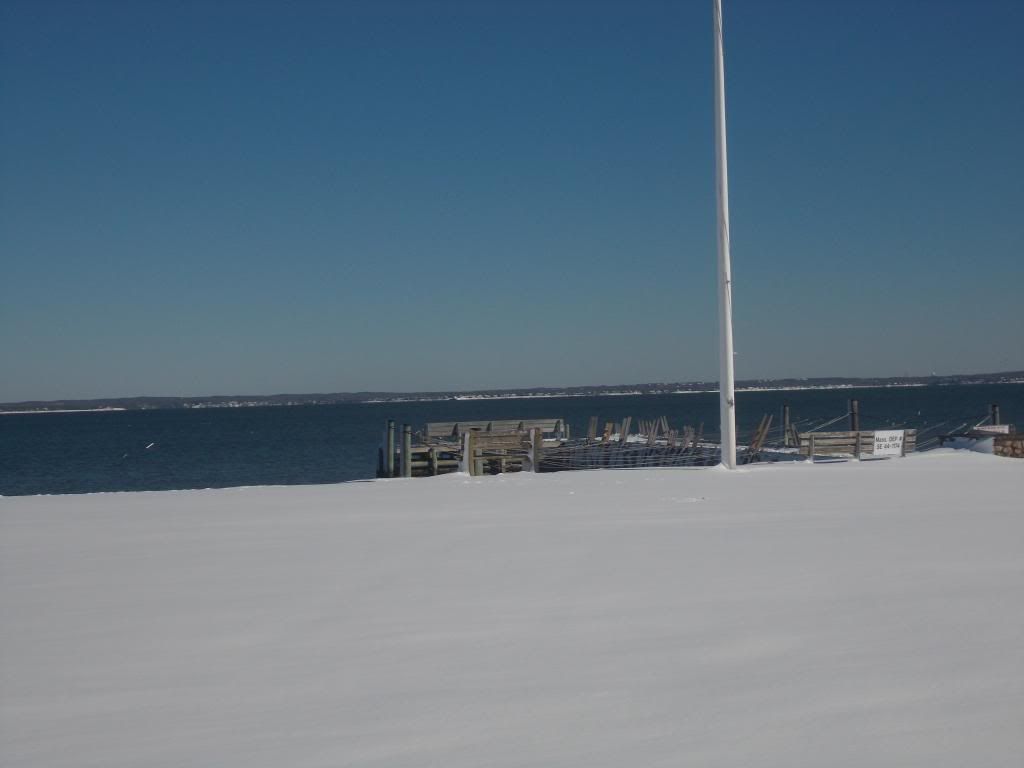
Mattapoisett, MA (I went in the winter, sorry for the snow)
Mattapoisett

This sleepy little town on Buzzards Bay got hit up with a nasty attack in 1936. This attack is often ascribed to Buzzards Bay, which is correct in a body-of-water sense but not in a name-of-town sense. The village of Buzzards Bay is actually on the other side of Wareham from Mattapoisett, but that matters very little to a shark.

The Mattapoisett maiming took a Dorchester kid who had no idea what shark attacks were and made a historical footnote out of him.

It's good to be famous, generally... unless you're famous for being in the Shark Attack Database. That's bad.

Joseph Troy was swimming out to meet a boat that was off of Holly Wood Beach in Mattapoisett with a friend. Troy was seized by the leg and pulled below. He resurfaced momentarily, unconscious and mortally wounded. He was brought to shore, and sent to a New Bedford hospital. He died during surgery.

Swimming had only enjoyed widespread popularity for a half century or so before Troy was attacked, and that all came to a halt for a while once the details of Troy's attack became known. A chunk of meat "the size of a five pound roast beef" had been torn from his thigh. Troy regained consciousness long enough to let the doctor know that the scariest part was being dragged down into the sea, away from the sun.

This sort of closed the books on shark attacks in Massachusetts for a while.

These stories make me nervous, because the last few fatal shark attacks in Massachusetts went down a bit north of my old house and a bit west and east of my current one. It's like the damned things are triangulating me.


Wellfleet

Our first fatality in the modern era happened off Newcomb Hollow Beach in Wellfleet.

We had a few non-fatal attacks in the two summers before, including one off Marconi Beach, but this was the big one, Elizabeth.

Arthur Medici was boogie boarding with a friend 40 yards offshore. He went under suddenly, then came up screaming and bloody. A Shark had bitten both of his legs, perhaps at the same time.

His friend towed him back to shore and tied off his leg, but the damage was done. Medici died at Cape Cod Hospital.

This happened in mid-September, so the tourist season was almost finished. However, the media has seized on it. National Geographic now has a Cape Cod shark attack documentary running, and you'll never guess what beach the climax happened at.

Shark Week on the Discovery Channel starts July 28, and Cape Cod is poised to get some major bad publicity. Not all publicity is good, contrary to what you've been told.

We have about 2 months of good beach weather left. With CNN and the Internet about, you can't bully the police chief into calling Medici's devouring a boating accident. That Amity stuff is long gone.

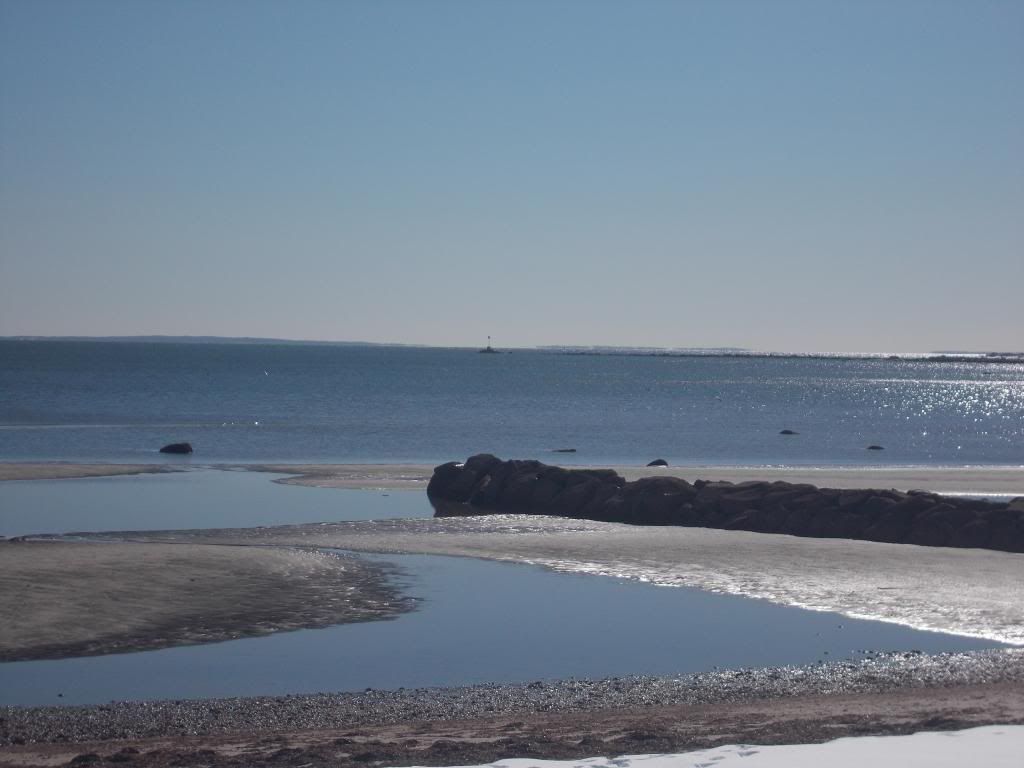
Holly Wood Beach, Mattapoisett, MA

MODERN TIMES

Massachusetts, and New England in general, had a lull in shark activity after the Mattaposett mauling. Seals had long been an enemy of the local fishermen, and bounties drove down their numbers wildly. With the food source gone, the shark activity lessened in our waters.

The seals have been coming back recently, as it is now (since 1974) illegal to shoot one if anyone official is looking. With the seals come the sharks, and- lo and behold- people are swimming in record numbers this time around. There's a very real chance that Troy was the first human the shark who killed him ever saw. That won't be the case now.

Massachusetts has had several high-notoriety shark attacks recently. We've had about a dozen shark attacks in our history, and one- 40 miles south of Nantucket- almost doesn't count. A quartet have been fatal, and we have already discussed them. The others went down off Nahant (1922), Rockport (1965), Truro (1996), Chatham (2001, about when the seals started coming back), Truro II (2012), Manomet (2014), Wellfleet I (2017) and Truro III (2018). No fatalities went down in these attacks.

Nahant involved a pack of sharks damaging the stern of a boat. A four-foot shark attacked the Rockport victim while he was scuba diving, and he was bitten on the leg. The first Truro attack victim was ridiculed for his report, with locals telling him he was bitten by a bluefish. History vindicated the victim, and the database lists his attacker as a 6 foot Great White. The Chatham attack involved a 14 foot Mako slamming into a fishing boat, no injuries.
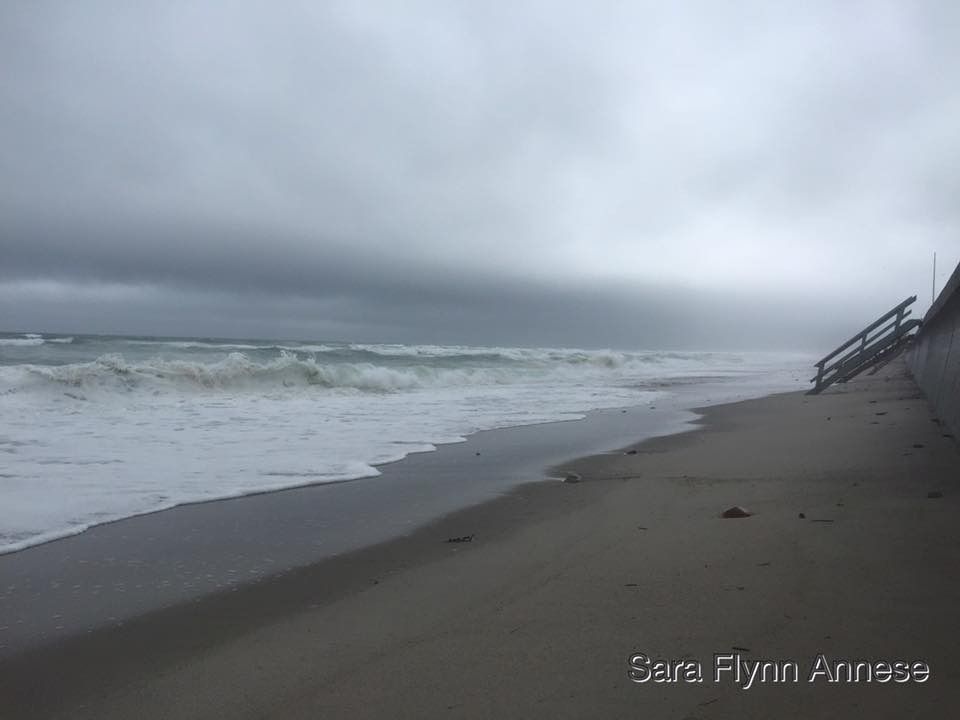
Duxbury Beach, MA, courtesy of Sara Flynn

Another fish bite wound- off a Dartmouth beach- may have been a shark, but it doesn't make the database. It could have been a seal, a bluefish... only one God and one fish know for shore sure, and neither of them are talking.

The second and third Truro attacks and the non-fatal Wellfleet attack (scientists refer to attacks as "interactions") involved a Great White sampling the legs of a boogie boarder. People stopped laughing at the 1996 guy right about here. Truro was the first confirmed attack of the modern Seal era, and a taste of things to come.

The Manomet attack involved a Great White (almost certainly the one seen swimming off of my old Duxbury Beach house a week earlier) knocking two women out of a kayak. The girls had been checking out seals up close, a very bad idea these days. They escaped with a scare, although the kayak had a bite taken out of it.

However, any modern shark attack- even one where nobody was harmed- will surpass the fatal ones of bygone eras in impact. A well-shot video of an attack on a Cape Cod beach would get like 10 billion views, and might fatally wound tourism as an industry on Cape Cod. "We dare you to swim in our shark-infested waters" is hardly a good ad campaign title.

The seals- and the sharks- aren't going anywhere. Experts like Dr. Gregory Skomal fully expect them to diffuse into Cape Cod Bay as the seal population expands. This will put big Porkers off of Duxbury, Plymouth, Bourne, Marsh Vegas, Kingston, Sandwich, Barnstable, Hingham, Scituate, Cohasset, Hull, Quincy, Weymouth and even Boston.

Every town I listed is a popular beach locale, fully stocked with swimming humans. We're very much due for another fatal attack, if you crunch the numbers the right way. Take solace in the numbers, do nothing at all seal-like, and stay alive long enough to read the Shark Week articles we'll be dropping later in the week.

Bon Appetit!

Duxbury, MA, courtesy of the Massachusetts State Police